|







 Send Inquiry
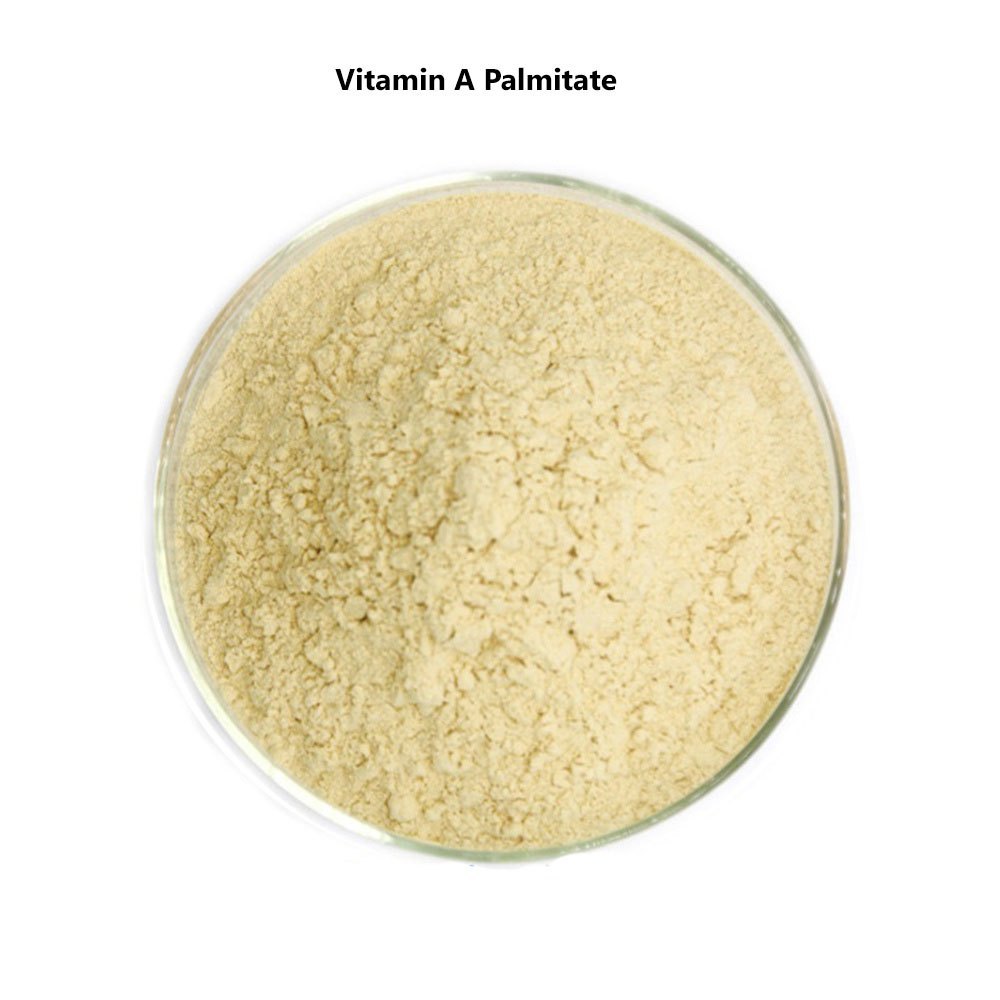
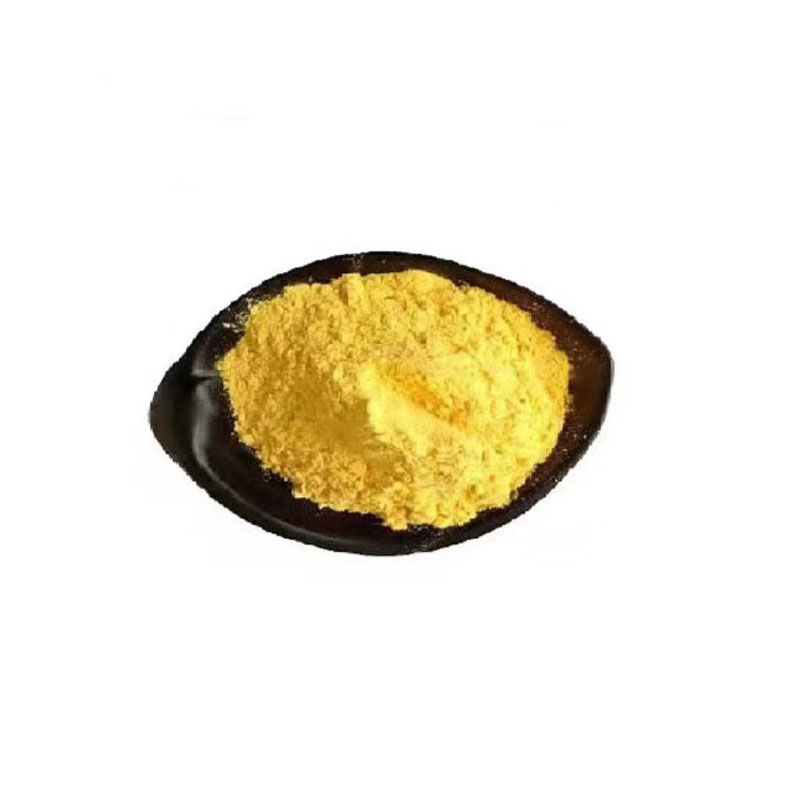
VITAMIN A PALMITATE
Price 2500.0 INR/ Kilograms
MOQ : 25 Units
VITAMIN A PALMITATE Specification
- Storage
- Keep away from moisture
- Shelf Life
- 2 Years
- Medicine Name
- VITAMIN A PALMITATE
- Type
- Vitamins
- Grade
- Reagent Grade
- Purity(%)
- 99%
- Physical Form
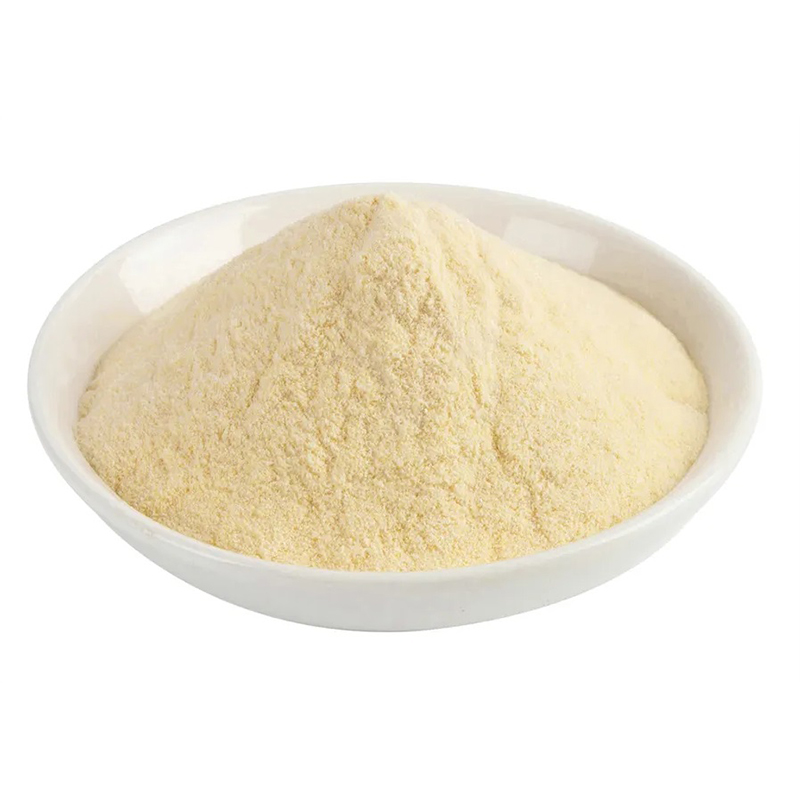
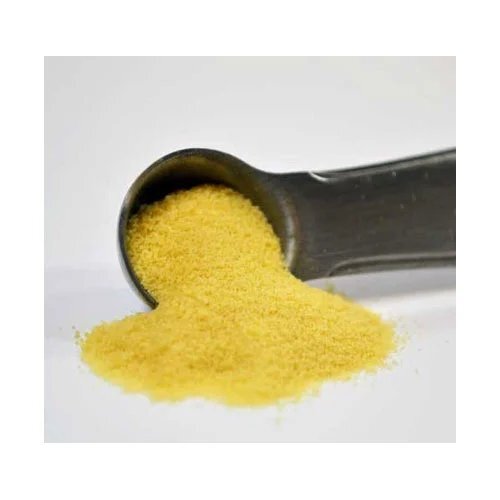
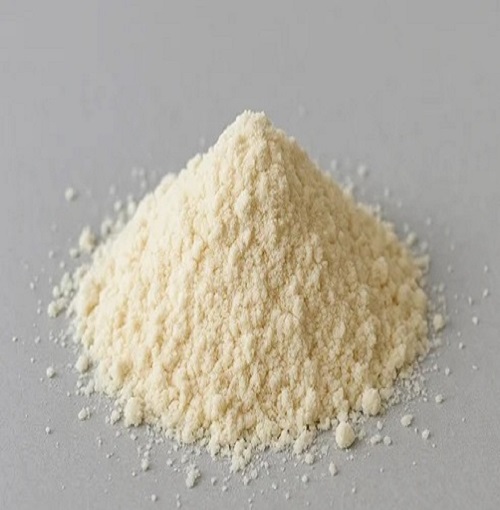
- Powder
VITAMIN A PALMITATE Trade Information
- Minimum Order Quantity
- 25 Units
- FOB Port
- All India Port
- Payment Terms
- Letter of Credit (L/C), Letter of Credit at Sight (Sight L/C), Telegraphic Transfer (T/T)
- Supply Ability
- 200 Units Per Week
- Delivery Time
- 1 Week
- Sample Available
- No
- Sample Policy
- Sample costs shipping and taxes has to be paid by the buyer
- Main Domestic Market
- All India
- Certifications
- ISO GMP KOSHER
VITAMIN A PALMITATE About
Vitamin A Palmitate
Retinyl Palmitate is a naturally-occurring phenyl analogue of retinol (vitamin A) with potential antineoplastic and chemopreventive activities. As the most common form of vitamin A taken for dietary supplementation, retinyl palmitate binds to and activates retinoid receptors, thereby inducing cell differentiation and decreasing cell proliferation. This agent also inhibits carcinogen-induced neoplastic transformation, induces apoptosis in some cancer cell types, and exhibits immunomodulatory properties.
Retinyl Palmitate is a naturally-occurring phenyl analogue of retinol (vitamin A) with potential antineoplastic and chemopreventive activities. As the most common form of vitamin A taken for dietary supplementation, retinyl palmitate binds to and activates retinoid receptors, thereby inducing cell differentiation and decreasing cell proliferation. This agent also inhibits carcinogen-induced neoplastic transformation, induces apoptosis in some cancer cell types, and exhibits immunomodulatory properties.
Key Features and Benefits
Vitamin A Palmitate supports vision, immune function, and skin health. Combined with Vitamin K3, it can enhance nutrient stability and absorption. Its powdered form ensures easy integration into formulations or dietary supplements, amplifying its value in food and pharmaceutical industries.
Storage and Longevity
To maintain its quality, Vitamin A Palmitate should be stored in a freezer. This practice extends its shelf life to 24 months, protecting it from degradation caused by heat and light, ensuring reliable use over an extended period.
FAQ's of Vitamin A Palmitate:
Q: How should Vitamin A Palmitate (CAS No: 79-81-2) be stored to retain its efficacy?
A: Vitamin A Palmitate should be stored in a freezer to prevent degradation, preserve potency, and ensure its full shelf life of 24 months.Q: What are the primary applications and benefits of using Vitamin A Palmitate powder?
A: This powder form of Vitamin A Palmitate is commonly used for food fortification, dietary supplements, and pharmaceutical products, supporting vision, immune health, and skin wellness.Q: When is it recommended to use powdered Vitamin A Palmitate over other forms?
A: Powdered Vitamin A Palmitate is ideal when precise dosing, uniform blending, and stable formulation are required, especially in industrial or laboratory settings.Q: Where is your Vitamin A Palmitate produced and distributed?
A: We operate as a manufacturer, supplier, trader, exporter, and importer based in India, serving both domestic and international markets with high-quality Vitamin A Palmitate.Q: What is the process for incorporating Vitamin A Palmitate powder into formulations?
A: The powder is typically blended with other ingredients at the recommended concentrations, ensuring even distribution to achieve desired fortification or dosage in end products.Q: How does the inclusion of Vitamin K3 enhance the formulation of Vitamin A Palmitate?
A: Vitamin K3 helps improve the stability and bioavailability of Vitamin A, making the formulation more effective for nutritional applications.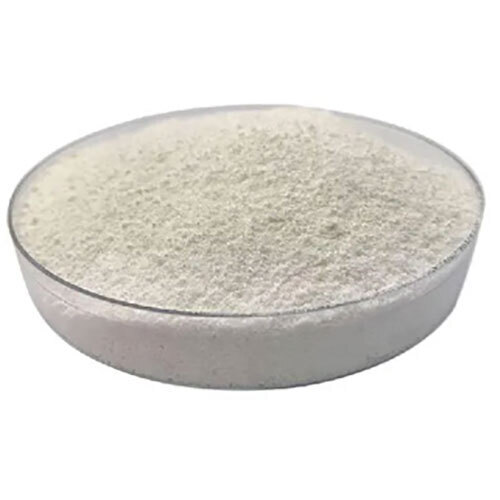

Tell us about your requirement

Price:
Quantity
Select Unit
- 50
- 100
- 200
- 250
- 500
- 1000+
Additional detail
Mobile number
Email

More Products in Vitamins Category
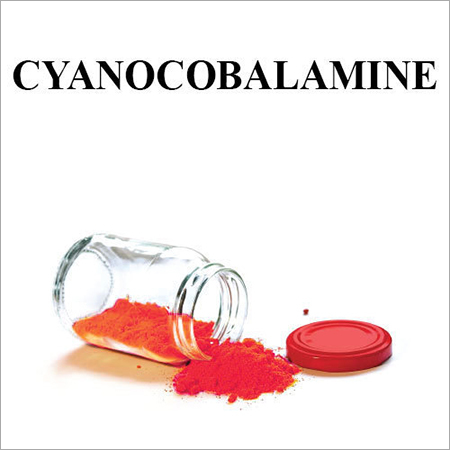
VITAMIN B12 1%(CYANO COBALAMIN)
Price 100000.0 INR / Kilograms
Minimum Order Quantity : 1 Unit
Shelf Life : 12
Ingredients : Vitamin K3 172.180
Storage Instructions : Store in a cool, dry place, protect from light
Purity : Minimum 1% Vitamin B12 (Cyano Cobalamin)
VITAMIN D3 (CALCIFEROL)
Price 1050.0 INR / Kilograms
Minimum Order Quantity : 25 Units
Shelf Life : 12 Months
Ingredients : Vitamin K3 172.180
Storage Instructions : Store in a cool, dry place away from direct sunlight
Purity : 99% Pure
VITAMIN C (ASCORBIC ACID) PLAIN
Price 180.0 INR / Kilograms
Minimum Order Quantity : 25 Kilograms
Shelf Life : 12 Months
Ingredients : Vitamin K3 172.180
Storage Instructions : Store in a cool and dry place, away from sunlight
Purity : 99% and above
VITAMIN K 1 POWDER
Price 150000.0 INR / Kilograms
Minimum Order Quantity : 1 Unit
Shelf Life : 12
Ingredients : Vitamin K3 172.180
Storage Instructions : Store in a cool, dry place, away from sunlight and moisture
Purity : 99% pure

- AVANSCURE LIFESCIENCES PVT. LTD.
GST : 06AAKCA5222F1Z0
- 6th Floor, C-61, Super Mart Commercial Complex-I, Chakkarpur, DLF City, Phase IV, Gurugram - 122002, Haryana, India
- Phone :08045478142
- Send Inquiry
-
 Send Inquiry
- Mr Gagan Singh (Director)
- Mobile :08045478142


 |
AVANSCURE LIFESCIENCES PVT. LTD.
All Rights Reserved.(Terms of Use) Developed and Managed by Infocom Network Private Limited. |
