|








 Send Inquiry
VITAMIN B1 (THIAMIN)
Price 2502.0 INR/ Kilograms
MOQ : 25 Units
VITAMIN B1 (THIAMIN) Specification
- Loss on Drying
- NMT 0.5%
- Storage Temperature
- Below 25C
- Heavy Metals
- NMT 10 ppm
- Solubility
- Freely soluble in water
- Application
- Pharmaceuticals, Food and Beverage Fortification, Animal Feed Supplements
- CAS Number
- 532-43-4
- Assay
- 99.0% ~ 101.0% (on dried basis)
- HSN Code
- 29362500
- Appearance
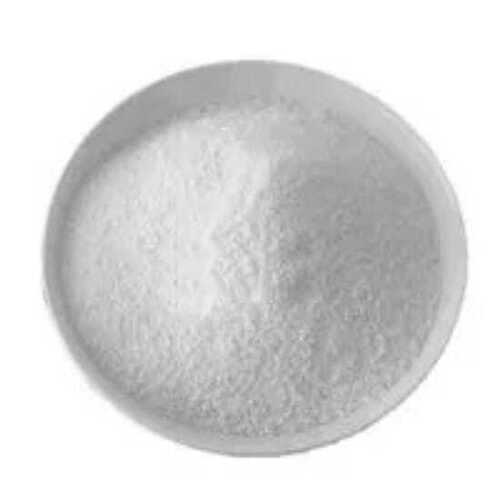
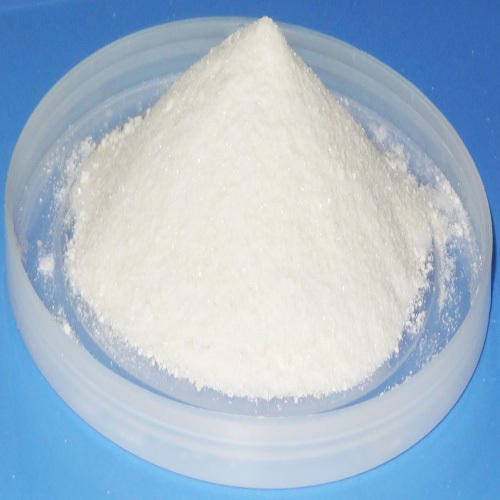
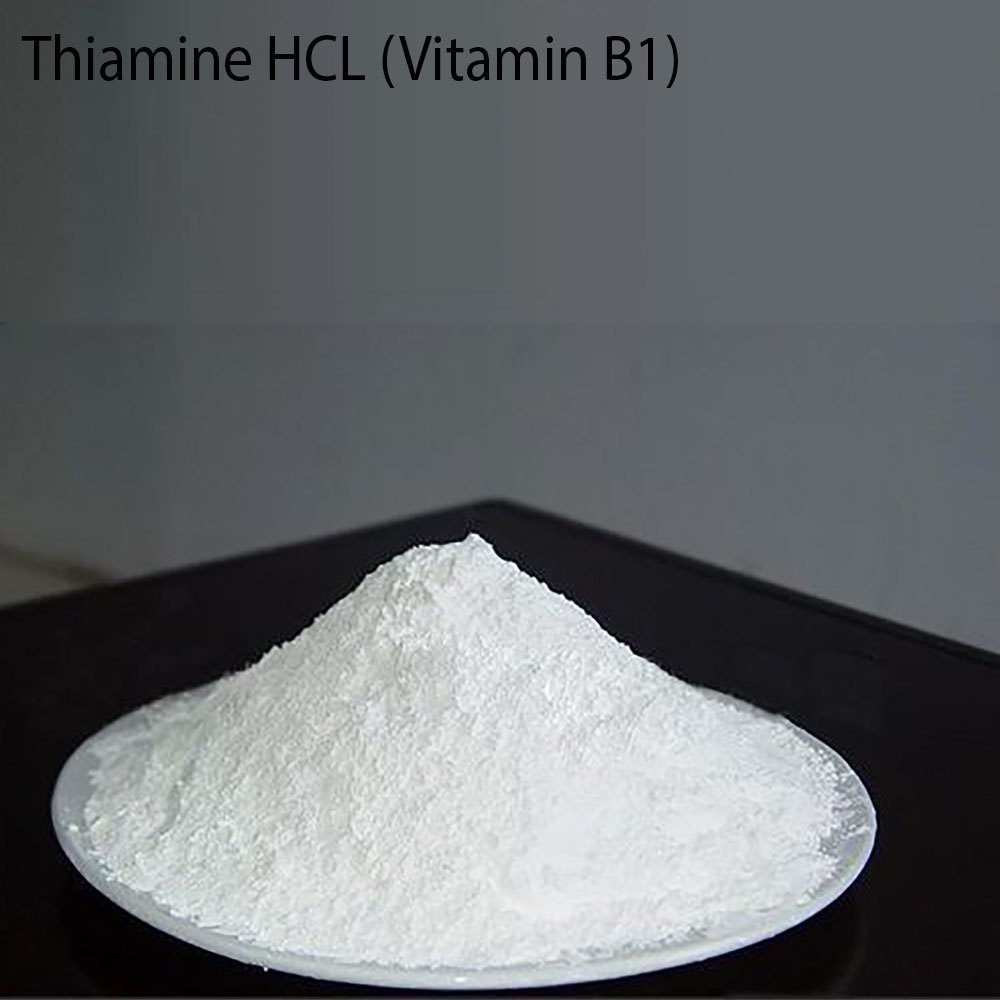
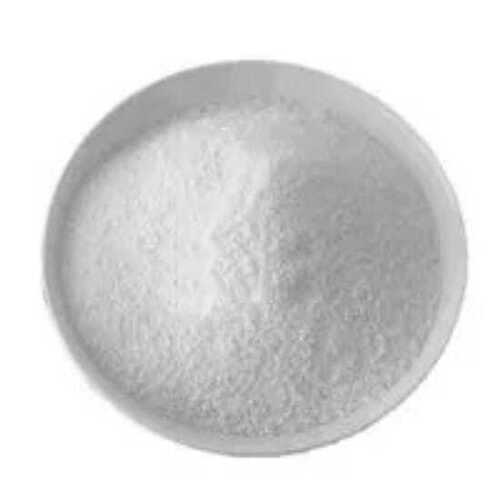
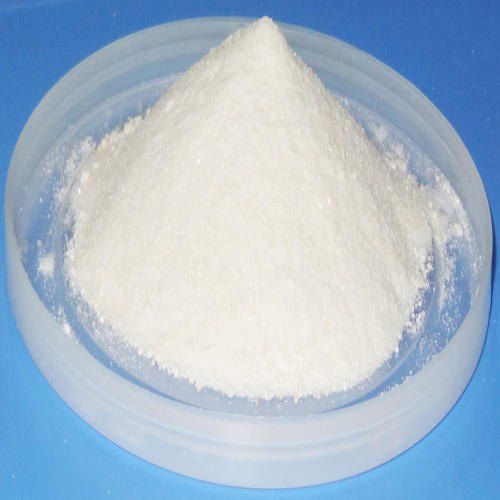
- White crystalline powder
- Molecular Formula
- C12H17N4OS
VITAMIN B1 (THIAMIN) Trade Information
- Minimum Order Quantity
- 25 Units
- Supply Ability
- 20 Units Per Week
- Delivery Time
- 7 Days
VITAMIN B1 (THIAMIN) About
Specification
|
CAS No.: |
67-03-8 |
|
Synonyms: |
Thiazolium, 3-[(4-amino-2-methyl-5-pyrimidinyl)methyl]-5-(2-hydroxyethyl)-4-methyl- chloride, monohydrochloride; |
|
Formula: |
C12H18Cl2N4OS |
|
Exact Mass: |
336.058 |
|
Molecular Weight: |
337.269 |
Exceptional Quality and Purity
Our Vitamin B1 (Thiamin) is produced to stringent specifications for purity, with an assay of 99.0-101.0% on dried basis and minimal heavy metal content (<10 ppm). The powder is suitable for direct use in formulation or fortification, ensuring reliable efficacy in energy metabolism and nervous system support.
Versatile Applications
Thiamin is utilized across pharmaceuticals, food and beverage fortification, and animal feed, addressing deficiencies and supporting healthy biological functions. Its excellent water solubility and neutral flavor enable seamless incorporation into various products, guaranteeing both stability and potency.
Optimal Storage and Shelf Life
To maintain product integrity, Vitamin B1 should be stored below 25C in a cool, dry area, protected from direct sunlight. Properly packaged in HDPE drums, the powder remains potent and safe for up to two years, ensuring reliable supply for manufacturers and suppliers.
FAQ's of Vitamin B1 (Thiamin):
Q: How should Vitamin B1 (Thiamin) be stored to preserve its quality?
A: Vitamin B1 powder should be stored below 25C in a cool, dry place, away from direct sunlight. Packaging in HDPE drums with inner liners further safeguards product stability and purity throughout its shelf life.Q: What is the recommended usage and dosage form for Vitamin B1?
A: Vitamin B1 is provided as a pure, odorless, tasteless powder, intended for use in pharmaceuticals, food, and feed. Dosage depends on physician direction or recommended daily allowance, and it should be taken with water after meals.Q: When is Vitamin B1 supplementation beneficial?
A: Supplementation is particularly beneficial when there are symptoms or risk of deficiency, such as fatigue or weakened nerve function, or as part of fortification in foods and feeds to maintain optimal energy metabolism and neurological health.Q: Where can Vitamin B1 (Thiamin) be applied?
A: It is widely used in the pharmaceutical industry, food and beverage fortification, and animal feed supplements. Its high solubility and purity make it suitable for diverse formulations and nutritional products.Q: What benefits does Vitamin B1 provide to the body?
A: Vitamin B1 promotes effective carbohydrate metabolism, boosts energy levels, and supports healthy nerve function, helping to restore thiamin levels and prevent deficiency symptoms.Q: How is Vitamin B1 (Thiamin) processed and packaged for distribution?
A: It is manufactured to high-quality standards, with heavy metals below 10 ppm and low loss on drying. The powder is packed in 25 kg HDPE drums with inner liners, ensuring product integrity during export, import, or local supply.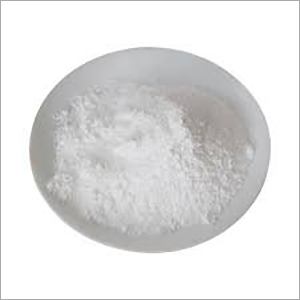
Tell us about your requirement

Price:
Quantity
Select Unit
- 50
- 100
- 200
- 250
- 500
- 1000+
Additional detail
Mobile number
Email

More Products in Vitamins Category
VITAMIN E ACETATE
Price 450.0 INR / Kilograms
Minimum Order Quantity : 25 Units, Unit
Physical Form : Powder
Storage : Room Temperature
Shelf Life : 12 Months
VITAMIN B3 (NIACIN) IP AND FEED GRADE
Price 450.0 INR / Kilograms
Minimum Order Quantity : 25 Kilograms
Physical Form : Powder
Storage : Room Temperature
Shelf Life : 24 months
Grade : Food Grade
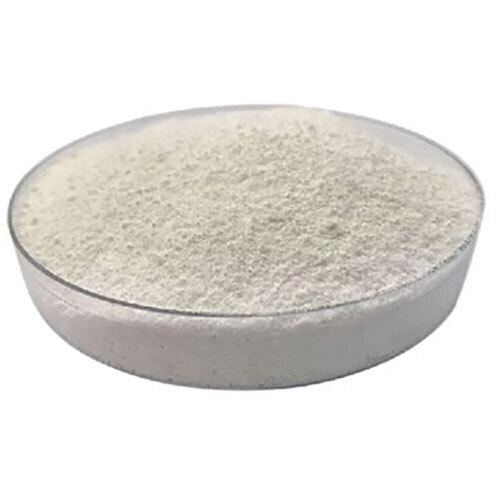
VITAMIN K3
Price 800.0 INR / Unit
Minimum Order Quantity : 25 Units
Physical Form : Powder
Storage : Other
Shelf Life : 2 Years
Grade : Other
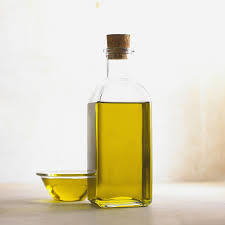
VITAMIN K1 LIQUID
Price 150000.0 INR / Kilograms
Minimum Order Quantity : 1 Unit
Physical Form : Liquid
Storage : Room Temperature
Shelf Life : 2 Years
Grade : Industrial Grade

- AVANSCURE LIFESCIENCES PVT. LTD.
GST : 06AAKCA5222F1Z0
- 6th Floor, C-61, Super Mart Commercial Complex-I, Chakkarpur, DLF City, Phase IV, Gurugram - 122002, Haryana, India
- Phone :08045478142
- Send Inquiry
-
 Send Inquiry
- Mr Gagan Singh (Director)
- Mobile :08045478142


 |
AVANSCURE LIFESCIENCES PVT. LTD.
All Rights Reserved.(Terms of Use) Developed and Managed by Infocom Network Private Limited. |
