|








 Send Inquiry
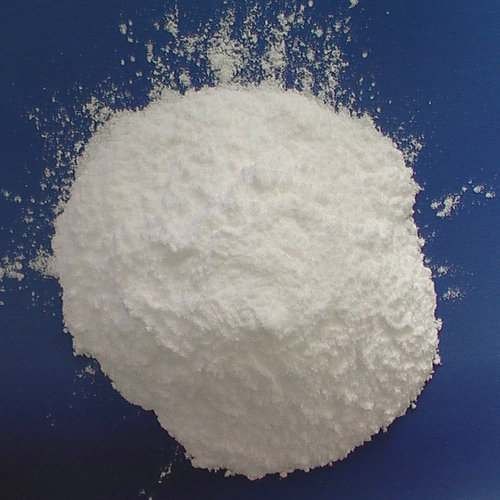
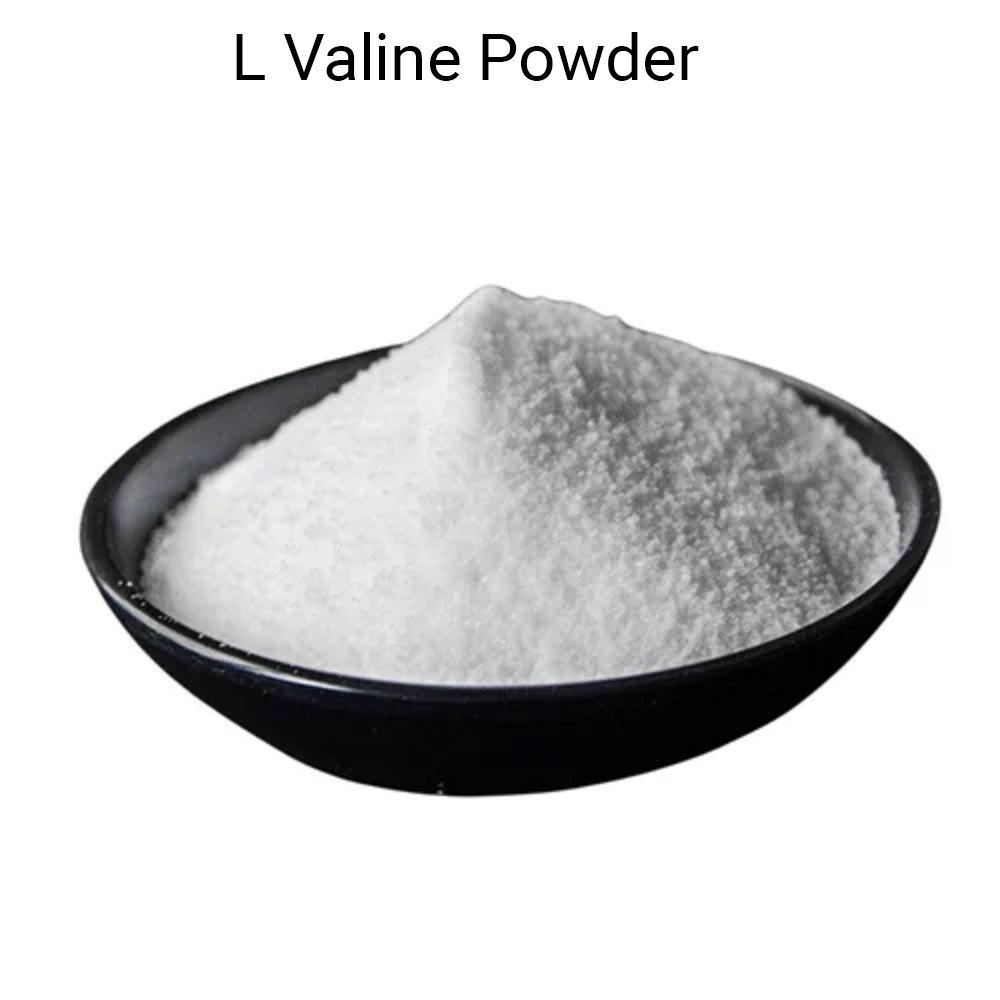
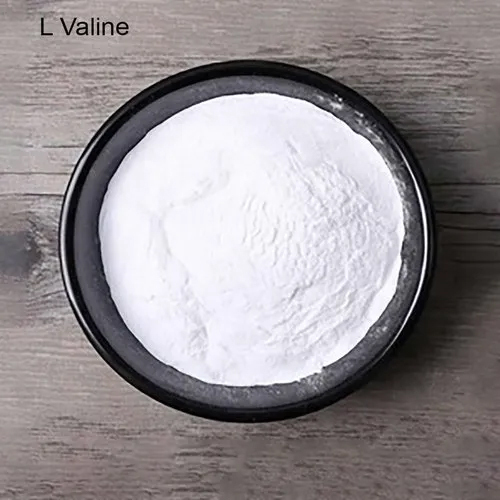
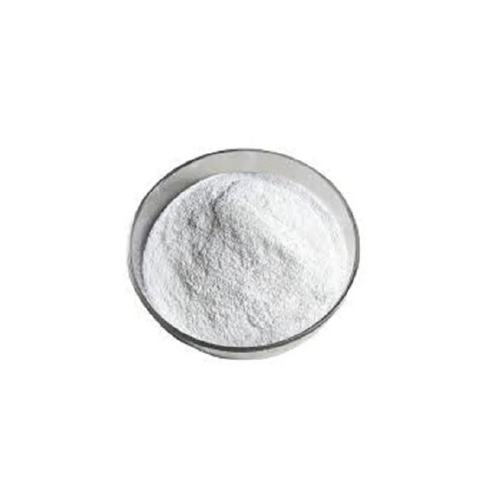
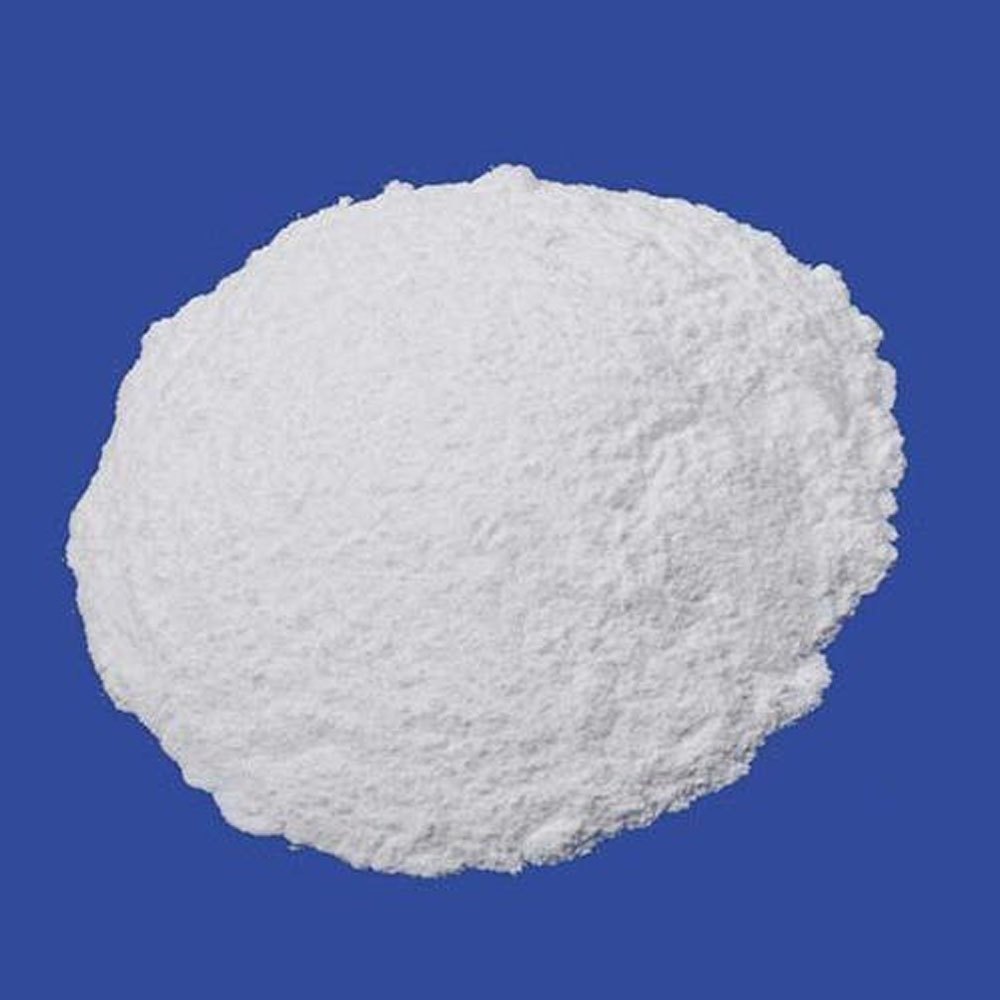
L - VALINE
Price 450.0 INR/ Kilograms
MOQ : 25 Kilograms
L - VALINE Specification
- Shelf Life
- 12 Months
- Storage
- Room Temperature
- Grade
- Food Grade
- Purity(%)
- 99%
- Physical Form
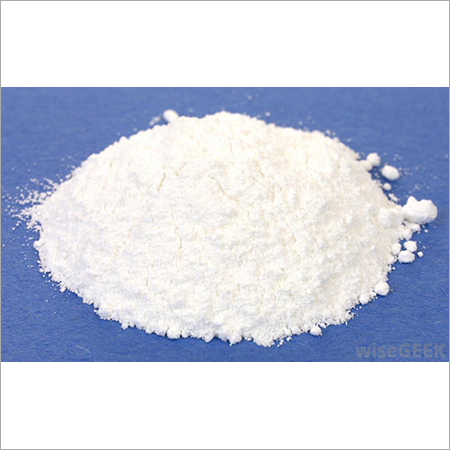
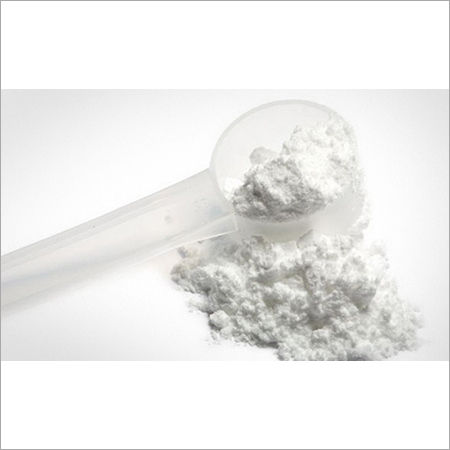
- Powder
- Manufacturing Standard
- AJI/USP/EP/BP
- Shelf Life
- 2 Years
- Optical Rotation
- +26.6 to +28.8 (c=4, 6N HCl)
- Heavy Metals
- 10 ppm
- Packing
- 25 kg/drum or as required
- Microbial Limit
- Complies to standards
- Loss on Drying
- 0.3%
- pH (2% Solution)
- 5.5 - 7.0
- Storage Condition
- Keep in cool, dry place, away from light
L - VALINE Trade Information
- Minimum Order Quantity
- 25 Kilograms
- Supply Ability
- 200 Kilograms Per Week
- Delivery Time
- 5 Days
L - VALINE About
Specification
|
CAS No.: |
72-18-4 |
|
Synonyms: |
H-L-VAL-OH; L-Val; L-(S)-valine; L-Valine; 2-aminoisovaleric acid; |
|
Formula: |
C5H11NO2 |
|
Exact Mass: |
117.07900 |
|
Molecular Weight: |
117.14600 |
Superior Purity and Quality Assured
Every batch of L-Valine is manufactured under AJI, USP, EP, and BP standards, ensuring top-tier quality and compliance. Strict control over heavy metals (10 ppm) and low moisture content (loss on drying 0.3%) guarantee product safety and consistency. Its purity level of 99% makes it ideal for sensitive applications in the pharmaceutical, food, and feed industries.
Versatile Applications in Nutrition and Health
L-Valine functions as an essential amino acid for supplementation, infusion therapies, and nutritional formulations. Its broad utility extends to pharmaceuticals, food products, and animal feeds, supporting muscle recovery, tissue repair, and overall wellness. The allergen-free nature ensures it is suitable for diverse dietary needs.
FAQ's of L - Valine:
Q: How should L-Valine be stored to maintain its shelf life?
A: L-Valine should be kept in a cool, dry place, away from light, to preserve its quality and maintain its two-year shelf life. Proper storage prevents moisture uptake and degradation.Q: What benefits does L-Valine offer when used as a supplement?
A: L-Valine supports muscle growth, tissue repair, and enhances overall nutritional intake. It's particularly beneficial in pharmaceutical, food, and animal feed formulations to promote recovery and optimize wellness.Q: When is L-Valine typically utilized in the production process?
A: L-Valine is added during the formulation stage of pharmaceutical preparations, food supplements, or animal feed blends, ensuring its stability and efficacy in finished products.Q: Where does the raw material for L-Valine production come from?
A: The raw material for L-Valine is primarily corn, though synthetic production methods are also utilized. This ensures a reliable and consistent quality for various applications.Q: What is the process for manufacturing high-purity L-Valine?
A: L-Valine is produced under rigorous manufacturing standards such as AJI, USP, EP, and BP, followed by purification, quality assessment for heavy metals, moisture content, and microbial limits to ensure food-grade quality.Q: What are the recommended uses for L-Valine in various industries?
A: L-Valine is used as a nutritional supplement, amino acid for infusion, and feed additive. Its applications span pharmaceutical, food, and animal nutrition sectors.Q: Is L-Valine safe for individuals with allergens?
A: Yes, L-Valine is allergen-free, making it safe for integration into a wide range of dietary and medical products without concern for common allergens.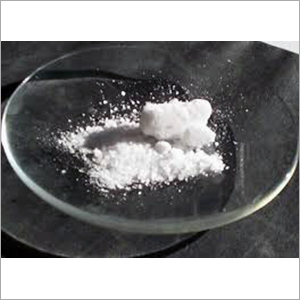
Tell us about your requirement

Price:
Quantity
Select Unit
- 50
- 100
- 200
- 250
- 500
- 1000+
Additional detail
Mobile number
Email

More Products in Amino Acid Category
L-ARGININE ( HCL ) ( MONO )
Price 550.0 INR / Kilograms
Minimum Order Quantity : 25 Units
CAS No : 1119342
Molecular Formula : C6H15ClN4O2
Grade : Food Grade
Purity : 99% min
N-ACETYL-L-CYSTEINE POWDER
Price 1100.0 INR / Kilograms
Minimum Order Quantity : 25 Pieces
CAS No : 616911
Molecular Formula : C5H9NO3S
Grade : Food Grade
Purity : 100%
L-ARGININE HCL POWDER
Price 550.0 INR / Kilograms
Minimum Order Quantity : 25 Units
CAS No : 1119342
Molecular Formula : C6H14N4O2HCl
Grade : Food Grade
Purity : 99% Min
BCAA 2 1 1 Powder
Price 700.0 INR / Kilograms
Minimum Order Quantity : 25 Units
CAS No : 69430360
Molecular Formula : C6H13NO2
Grade : Industrial Grade
Purity : 99%

- AVANSCURE LIFESCIENCES PVT. LTD.
GST : 06AAKCA5222F1Z0
- 6th Floor, C-61, Super Mart Commercial Complex-I, Chakkarpur, DLF City, Phase IV, Gurugram - 122002, Haryana, India
- Phone :08045478142
- Send Inquiry
-
 Send Inquiry
- Mr Gagan Singh (Director)
- Mobile :08045478142


 |
AVANSCURE LIFESCIENCES PVT. LTD.
All Rights Reserved.(Terms of Use) Developed and Managed by Infocom Network Private Limited. |
