|







 Send Inquiry
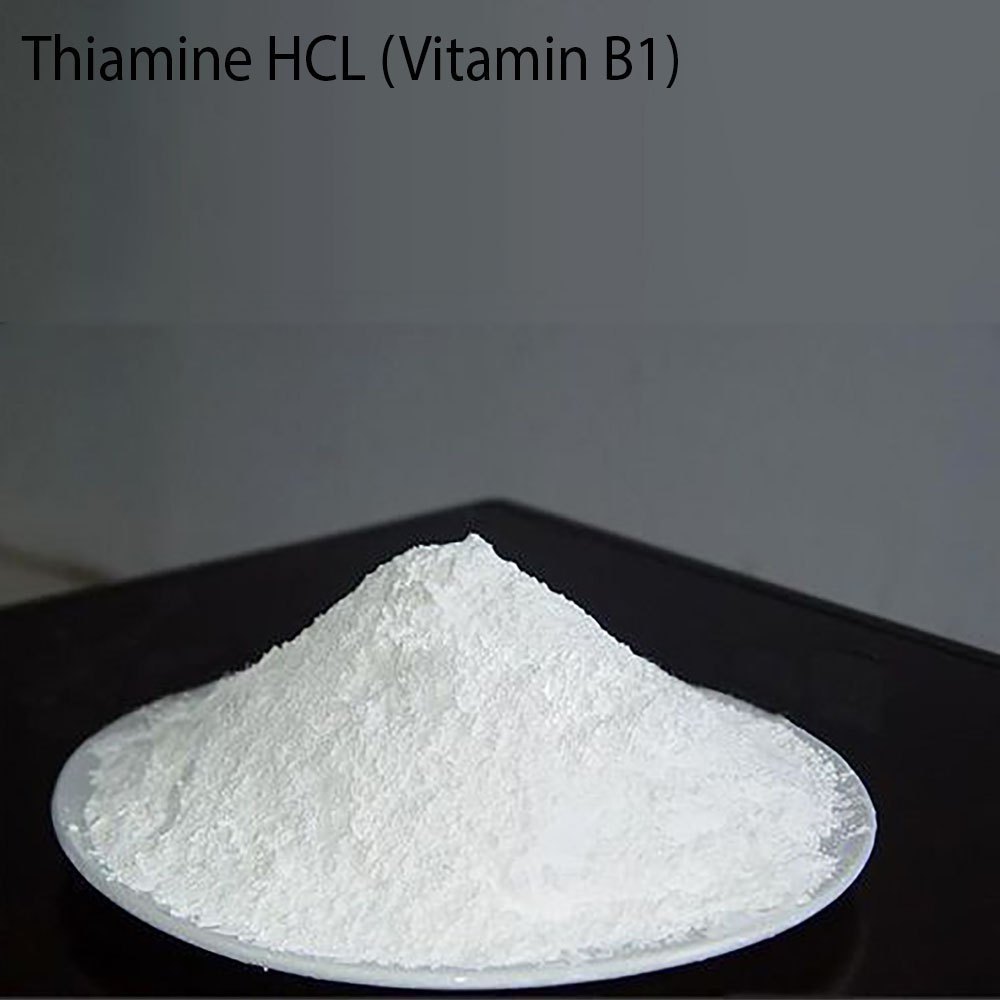
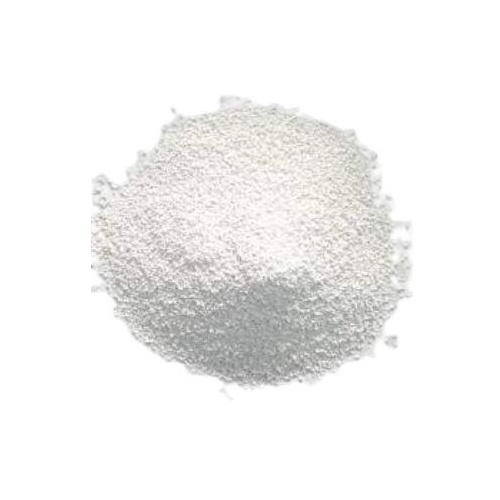
VITAMIN B1 THIAMINE MONONITRATE
Price 2499.0 INR/ Kilograms
MOQ : 25 Units
VITAMIN B1 THIAMINE MONONITRATE Trade Information
- Minimum Order Quantity
- 25 Units
- FOB Port
- All India Port
- Payment Terms
- Letter of Credit (L/C), Letter of Credit at Sight (Sight L/C), Telegraphic Transfer (T/T)
- Supply Ability
- 200 Units Per Week
- Delivery Time
- 5 Days
- Sample Policy
- Sample costs shipping and taxes has to be paid by the buyer
- Main Domestic Market
- All India
- Certifications
- ISO GMP KOSHER
VITAMIN B1 THIAMINE MONONITRATE About
Vitamin B1 is found in many foods including yeast, cerealgrains, beans, nuts, and meat. It is often used in combination with other B vitamins,and found in many vitamin B complex products. Thiamine is also used fordigestive problems including poor appetite, ulcerative colitis, and ongoingdiarrhea.
Thiamine or thiamin, also known as vitamin B1, is a colorless compound with the chemical formula C12H17N4OS. It is soluble in water and insoluble in alcohol. Thiamine decomposes if heated. Thiamine was first discovered by Umetaro Suzuki in Japan when researching how rice bran cured patients of Beriberi. Thiamine plays a key role in intracellular glucose metabolism and it is thought that thiamine inhibits the effect of glucose and insulin on arterial smooth muscle cell proliferation. Thiamine plays an important role in helping the body convert carbohydrates and fat into energy. It is essential for normal growth and development and helps to maintain proper functioning of the heart and the nervous and digestive systems. Thiamine cannot be stored in the body; however, once absorbed, the vitamin is concentrated in muscle tissue.
Key Functions and Application
Thiamine Mononitrate plays a vital role in converting carbohydrates from food into energy necessary for proper bodily function. It is indispensable in managing and preventing vitamin B1 deficiencies, including the treatment of beriberi, ensuring optimal metabolic processes and neurological health.
Storage and Shelf Life
For best results, the powder should be stored in a refrigerator or a cool place, preventing degradation and maintaining full potency for up to 24 months. Proper storage practices ensure the vitamin remains effective throughout its shelf life for both clinical and industrial applications.
Distribution and Supply
Vitamin B1 Thiamine Mononitrate is offered by reputable distributors, exporters, importers, manufacturers, suppliers, and traders throughout India. Our network ensures consistent and reliable availability for pharmaceutical, nutritional, and industrial uses.
FAQ's of VITAMIN B1 Thiamine Mononitrate:
Q: How should Vitamin B1 Thiamine Mononitrate powder be stored to maintain its potency?
A: To preserve its stability and effectiveness, store Vitamin B1 Thiamine Mononitrate powder in a refrigerator or a cool place. This prevents moisture and temperature-related degradation, ensuring up to 24 months of shelf life.Q: What are the main health benefits of using Thiamine Mononitrate?
A: Thiamine Mononitrate assists in the breakdown of carbohydrates into energy, vital for metabolic function. It is used to treat or prevent vitamin B1 deficiencies and can be lifesaving for individuals with beriberi, supporting neurological and cardiovascular health.Q: When is Thiamine Mononitrate recommended for use?
A: Thiamine Mononitrate is recommended when there is a clinical or dietary deficiency of vitamin B1, such as in cases of beriberi or in individuals at risk due to poor nutrition, chronic illnesses, or increased metabolic demand.Q: Where can Thiamine Mononitrate be sourced in India?
A: Thiamine Mononitrate powder can be sourced from certified distributors, exporters, importers, manufacturers, suppliers, and traders throughout India, offering reliable supply for both health and industrial sectors.Q: What is the process of utilizing Thiamine Mononitrate in formulations?
A: Thiamine Mononitrate powder is used in pharmaceutical and nutritional formulations. It is typically weighed and blended with complementary ingredients, such as Vitamin K3, for production of tablets, capsules, or injectables.Q: Which dosage form is available for this product and what is its purity level?
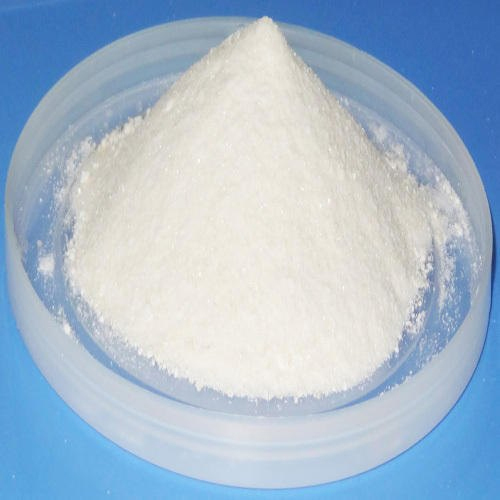
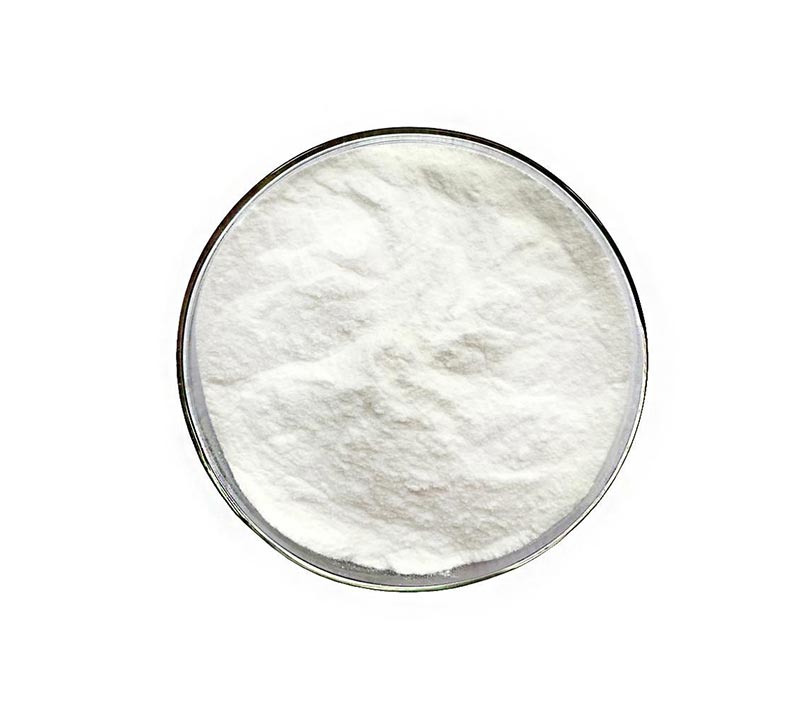
A: This product is provided in powder form with an exceptional purity level of 99%, making it suitable for high-standard pharmaceutical and nutraceutical formulations.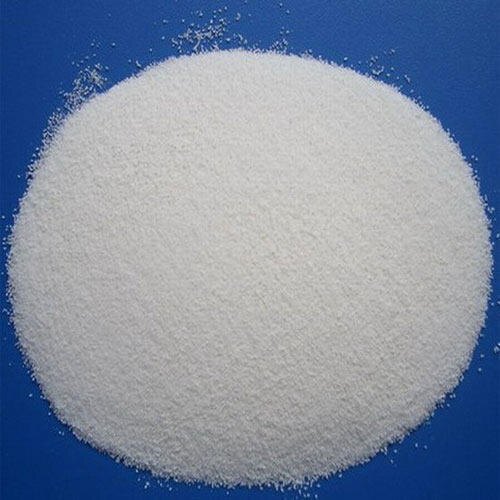
Tell us about your requirement

Price:
Quantity
Select Unit
- 50
- 100
- 200
- 250
- 500
- 1000+
Additional detail
Mobile number
Email

More Products in Vitamins Category
VITAMIN B PYRIDOXINE HCL
Price 2000.0 INR / Kilograms
Minimum Order Quantity : 25 Units
Dosage Form : Other, Powder, tablet, capsule
Ingredients : Vitamin K3 172.180
Storage Instructions : Store in a cool, dry place below 25C; protect from light
Shelf Life : 24 months
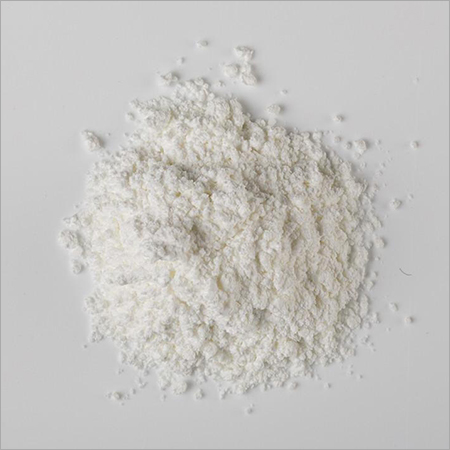
BIOTIN ( VITAMIN H ) FEED GRADE
Price 19000.0 INR / Kilograms
Minimum Order Quantity : 25 Units
Dosage Form : Powder
Ingredients : Vitamin K3 172.180
Storage Instructions : Store in a cool, dry place, away from direct sunlight
Shelf Life : 12 Months
VITAMIN C (ASCORBIC ACID) PLAIN
Price 180.0 INR / Kilograms
Minimum Order Quantity : 25 Kilograms
Dosage Form : Other, Powder / Crystalline solid
Ingredients : Vitamin K3 172.180
Storage Instructions : Store in a cool and dry place, away from sunlight
Shelf Life : 12 Months
DL-ALPHA TOCOPHEROL (VITAMIN E)
Price 2050.0 INR / Kilograms
Minimum Order Quantity : 25 Kilograms
Dosage Form : Powder
Ingredients : Vitamin K3 172.180
Storage Instructions : 28C
Shelf Life : 24 Months

- AVANSCURE LIFESCIENCES PVT. LTD.
GST : 06AAKCA5222F1Z0
- 6th Floor, C-61, Super Mart Commercial Complex-I, Chakkarpur, DLF City, Phase IV, Gurugram - 122002, Haryana, India
- Phone :08045478142
- Send Inquiry
-
 Send Inquiry
- Mr Gagan Singh (Director)
- Mobile :08045478142


 |
AVANSCURE LIFESCIENCES PVT. LTD.
All Rights Reserved.(Terms of Use) Developed and Managed by Infocom Network Private Limited. |
